Gyu Been Moon문규빈文奎彬

Research

How the late Chosŏn state knew, governed, and remembered.

My work focuses on late Chosŏn political history from Sukchong through Sunjo. I study the institutions, documents, and political conflicts through which the state identified people, classified threats, assigned responsibility, and transformed unstable events into official history.

My current manuscripts examine the Catholic investigations of 1795 and 1801 as a dense documentary field in which administrative knowledge, factional politics, criminal procedure, foreignness, and historical memory became unusually visible.

Questions across the work

Across different reigns and archives, the research returns to four related problems.

  1. 01

    How does information become political knowledge?

    Through which institutions, documents, intermediaries, and categories does information become something the court can recognize and act upon?

  2. 02

    How is authority distributed?

    How do the throne, ministers, censorial offices, police institutions, tribunals, and compilers divide responsibility and contest one another’s actions?

  3. 03

    When does accusation become an administrative fact?

    What changes as rumor, denunciation, testimony, and political allegation move through investigation and formal procedure?

  4. 04

    How does an event become history?

    How do compilation, citation, redaction, and later narration convert contested information into inherited certainty?

Current research

The current research cluster moves across three analytical scales: event, person, and prosecution.

01 / event

Knowing Zhou Wenmo

Administrative Knowledge and Historical Reconstruction in the Ŭlmyo Incident

Article manuscript · In publication process

This article compares the 1795 administrative record, the 1801 interrogation archive, and later inherited narratives to ask when Zhou Wenmo became a stable object of state knowledge. It separates the chronology of Zhou’s presence from the chronology of his administrative identification.

Explore the project
A group of thread-bound Sŭngjŏngwŏn ilgi volumes with handwritten vertical titles on their covers.
Sŭngjŏngwŏn ilgi. Korea Heritage Service, via Wikimedia Commons.
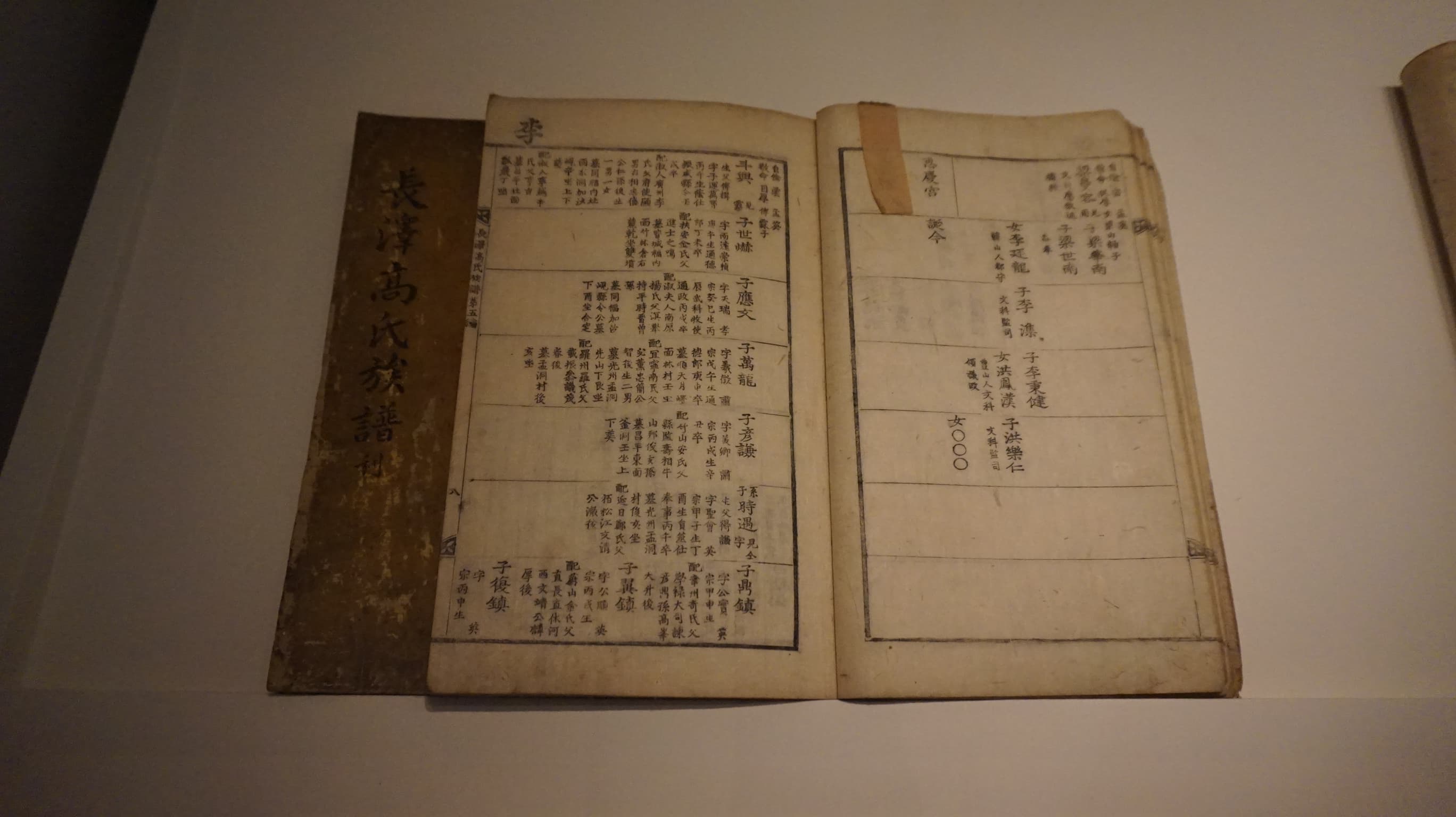
An open late Chosŏn genealogical register displaying vertically arranged family entries across two folios.
Representative image; not a genealogy cited as evidence in the article. Photograph by Jocelyndurrey, via Wikimedia Commons.

02 / person

The Han the Traditions Require

Han Yŏngik between Narrative Construction and the Genealogical Record

Article manuscript · In publication process

This article reconstructs Han Yŏngik independently of the role later narratives assigned him. It compares witness traditions with genealogical, administrative, autobiographical, and missionary records.

Explore the project

03 / prosecution

Three Prosecutions, One Persecution

Disaggregating the Sinyu Catholic Case of 1801

Research project · In progress

This project separates legal and political processes conventionally grouped together as a single persecution. It asks how distinct prosecutorial sequences acquired one retrospective historical identity.

Sources, methods, and infrastructure

The research moves across record systems and includes source work designed to make comparison more transparent and reusable.

Administrative comparison

Sŭngjŏngwŏn ilgi · Ilsŏngnok · Naegak illyŏk · Chosŏn wangjo sillok

Related state records are compared as products of different institutions, moments, and compilation practices. Disagreement is treated as historical evidence requiring explanation.

Interrogation and prosecution

Ch’uan · Kugan · Depositions · Confiscated documents · Tribunal deliberations

Interrogation records are read as documents of legal production: they show how identities, accusations, and actionable categories formed through questioning and comparison.

Genealogical verification

Jokpo · Marriage records · Descent lines · Examination registers · Munjip epigraphy

Kinship and social position are tested across independently preserved family records rather than inferred from a single genealogy or later narrative.

Transmission history

Missionary correspondence · Private writing · Polemical compilations · Editorial annotation · Modern historiography

The research follows how claims acquired names, motives, specificity, and bibliographic authority as they moved between languages, institutions, and later histories.

Beyond the current cluster

Kyŏngjong1720–1724

How did the Kyŏngjong succession crisis alter the relationship between political accusation, evidentiary credibility, and the king’s capacity to determine administrative fact?

This question extends the project’s concern with knowledge and authority beyond the Catholic archive. It places succession, factional accusation, and royal capacity within the broader history of how late Chosŏn institutions determined politically actionable truth.